



.png)
Best Plants for South Facing Windows
Developing a green thumb when growing indoors takes patience and accurate information about horticulture. You’ve probably heard before that south-facing windows are the best spots to place your houseplants, but is there actually any truth to this?
Actually, there is, specifically if you’re someone who lives in the Northern Hemisphere (North America, Europe, and most of Asia). South-facing windows in these regions receive the most light throughout the day, so they’re ideal for growing many different kinds of houseplants.
South-facing windows are perfect for plants that require lots of direct sunlight during the day. This is because the sun rises in the east and sets in the west. As the sun moves along your home during the day, the south side of the building will have bright light most of the day. However, as great as it can be, not all plants love direct sunlight, so it’s best to select plants that are specifically suited to these conditions.
Here at Village Green Apartments, many of our residents are avid plant enthusiasts. Our 1, 2, and 3 bedroom floor plans have an abundance of natural light, which provides a healthy environment for plant babies of all kinds!
Our community garden offers a chance to grow outdoors, but you may want to have plants around all year. That means you must grow them inside. We’ve gathered the information below to help you find the best indoor plants for sunny windows, along with houseplant growing tips and other necessary info.
Six Best Indoor Plants for South-Facing Windows
Certain houseplants are better suited to indirect or filtered light and can burn or become stressed out in south-facing windows. Plants that love shade, such as peace lilies, African violets, calatheas, cast iron plants, ferns, ficus (fig)plants, such as the fiddle-leaf fig, and rubber plants.
However, the majority of plants love or can gradually adjust to full sunlight. Here are six beautiful indoor plants that are sure to thrive in your south-facing windows:
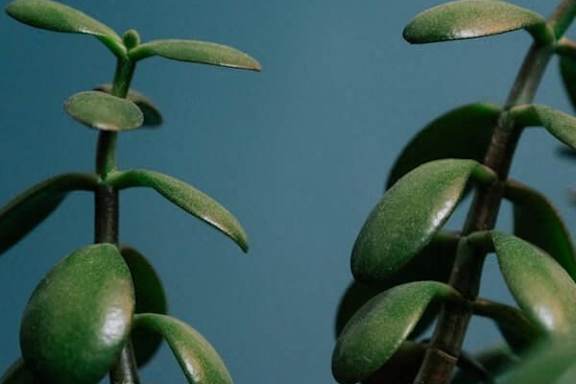
1. Jade plant (Crassula ovata)
Jade plants are a popular succulent native to South Africa. They can live for a long time and are often given as inheritance plants for this reason. They often have plump, oval-shaped leaves and a woody appearance similar to a tree. They adore bright, natural light and don’t require much humidity or care. They’re also extremely easy to propagate.
2. Christmas Cactus (Schlumbergera x buckleyi)
3. Leatherpetal (Graptopetalum)

4. Orchid Cactus (Epiphyllum)
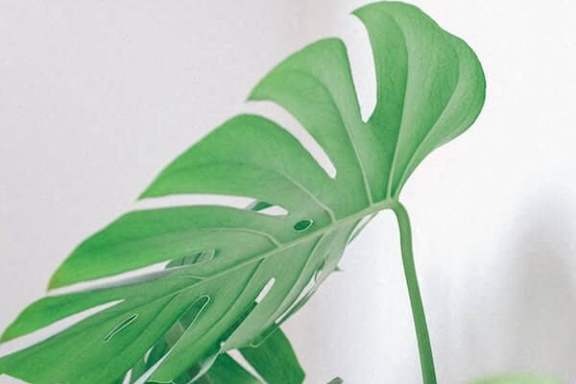
5. Swiss Cheese Plant (Monstera Deliciosa)
6. ZZ Plant (Zamioculcas)
This particular genus of plants is found all over eastern Africa, from South Africa to Kenya. They’re known for being an especially un-fussy houseplant and are popular with many houseplant beginners because of this reason. They don’t require much water either, so they’re a good choice for people who are busy and don’t have much time for houseplant care.
Five Houseplant Care Tips
While houseplants might seem overwhelming at first, most of them are actually quite simple to care for! The most important thing is to ensure that each plant is receiving the nutrients and light that it requires. Here are five tips to help keep your houseplants happy and growing.
1. Water plants according to how the soil feels.
Different houseplants have different watering requirements, so it’s actually best not to water your plants on any particular day or schedule. Instead, stick your finger an inch or two into the soil and only water if it feels dry.
Be sure to also look up care recommendations for your particular plants and adhere to those carefully. Some plants, including many succulents, may tolerate bottom watering better than watering top down. Place the plastic liner in a small dish of water, and allow the soil to slowly absorb water from the bottom up.
2. Ensure pots have good drainage.
Good drainage is also crucial for having healthy houseplants. While many decorative pots can be cute and aesthetically pleasing, they can also lead to problems if they don’t have drainage. Water can quickly build up in the soil, leading to root rot and other issues with your plant.
Keep plants in plastic liners, which can then be placed into decorative pots. When you need to water, you can simply remove them.
3. Let your plants adjust to new light.
Many plants that aren’t used to full sun can also grow to adjust to it. However, this process should be done gradually to avoid stressing or burning your plants. Move plants closer to windows a little bit at a time over a period of several weeks for best results.
4. Fertilize your plants regularly.
Plants also need regular fertilization to stay healthy and receive the nutrients that they need to keep growing. Fertilize your plants with a balanced fertilizer according to their needs to keep them healthy.
5. Consider adding grow lights.
If your apartment window just doesn’t get enough sunlight despite the plants you choose or your best efforts, consider adding supplemental lighting. The addition of a grow light can provide much-needed extra light, especially during winter months when the natural light cycle is shorter.
Village Green Apartments in Greeley, Colorado
If you are looking for a beautiful new home for you and your houseplants, please visit us here at Village Green Apartments in Greeley, CO! Our community consists of five residential buildings and a leasing office. The circular layout means that there are homes with south-facing windows in each of our buildings.
Schedule your tour today! Our professional leasing specialists would love to help you find your next home.