



.png)
Should You Put Coffee Grounds Down the Sink?
Coffee. It’s a wonderful way to start the day. Whether you’re an aficionado who drinks the finest roast made in filtered water without any milk, creamer, or sugar so that you can enjoy every full-bodied note that the roast has to offer or you’re a person who enjoys the decadent things in life and likes to get creative with flavors, creamers, and sweetening, your morning coffee might be one of the best parts of your day!
One thing we often have to contend with when we're finished brewing a pot or cup of coffee is what to do with the grounds. Coffee grounds can add up fast, and they can make quite a mess. So, is it reasonable to just wash them down the drain? Can coffee grounds go down the sink?
While they can fit down the sink drain, disposing of them this way isn’t necessarily the best option. It’s actually better to avoid putting coffee grounds down the sink, and there are a few different reasons why! So, why shouldn’t you put coffee grounds down the sink? Let’s explore!
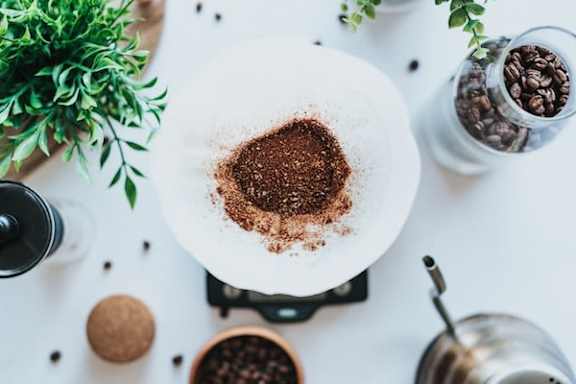
It Can Create a Clog Risk
Perhaps the most pressing reason not to toss coffee grounds down the sink is that coffee grounds are solids. They may be finely ground into many individual particles, but they can also clump back together inside your pipes! Any grease or other residue in your pipes can catch the grounds, turning them into a solid blockage.
It's a Wasted Gardening Opportunity
One reason not to toss your coffee grounds down the sink is that they’re amazing for plants! Coffee grounds (particularly used brewed grounds) can be amazingly helpful to the soil.
Coffee grounds naturally contain small amounts of nutrients that your plants need—like nitrogen! Still, it can always be helpful to consult with some reading materials that pertain specifically to your plants. You may even be able to use them as a supplement to outdoor garden soil or compost.
Certain plants, including lavender, rosemary, thyme, geraniums, aloe vera, and other succulents, including cacti, may not tolerate the use of coffee grounds unless you compost them first. The same is true of other plants that are sensitive to acidic soil, such as snapdragons, chrysanthemums, and Shasta daisies. Some people also report that tomatoes may not produce as well when they receive heavy or regular top-dressing with used coffee grounds.
Village Green Apartments has a community garden with raised garden beds for residents to enjoy. When used appropriately, coffee grounds could help enrich the soil in those garden beds.
But What about the Garbage Disposal?
Even the garbage disposal won’t necessarily mitigate the risk of clogged pipes. The coffee grounds can clump together with one another and any sludge inside drainage pipes once they’ve gone through the garbage disposal.
There are Better Ways to Make Your Disposal Smell Nice
If you’re in the habit of putting coffee grounds down the disposal because you like the way they smell, fear not! There are safer ways to keep your disposal unit smelling great. For example, you can make some vinegar ice cubes that can help keep your blades nice and clean, or you can put a small amount of citrus peels in to release their aromatic essential oils! You can even mix together some vinegar, water, and a drop or two of your favorite essential oil, which will typically be no problem for your unit to handle.

There's Simply No Need To
Chances are, you’ve got a trash can in your kitchen too. If you’re not interested in recycling your grounds to use as compost or putting them on top of your garden, the best option may be to simply toss the grounds in the trash.
Our trash systems are designed for solid waste, while our plumbing systems are not. Sometimes the simplest answer is the best one—just toss your coffee grounds in the garbage! While it may be tempting to wash them down the drain, it simply isn’t worth the risk of clogging when there’s a trash can right there.
What Else Should I Know About?
Many of us are surprised the first time we hear that it’s not always a good idea to rinse coffee grounds down the sink—which can leave us wondering: what else don’t I know about my home plumbing?
If you’re feeling lost, let’s review a few of the things that are not recommended to be tossed in the sink or garbage disposal:
Grease, fats, and oils:
Under no circumstances should you put fats, grease, or oils down the drain. Even thin oils that are liquid at room temperature can undergo physical and chemical changes over time, making them solidify within our plumbing. In fact, oils and fats gone down the drain can go beyond our homes and even damage local infrastructure. This applies to sinks with garbage disposals too. Even so-called natural oils can undergo changes that cause them to solidify, which can be a big problem for our pipes if they accumulate.Glass:
Never put glass in your garbage disposal. It can damage or even render your garbage disposal completely useless. What’s more, broken glass can be extremely dangerous, representing a significant safety risk for anyone working on the disposal or pipes later.Metal:
Like glass, you should never put metal into your garbage disposal. It will not get broken down. Even worse, it can damage your unit and can create a risk of injury.Plastic:
While plastic may be less sturdy than metal or glass, it nonetheless should not be put down the garbage disposal. They are not designed to handle plastic, which can damage them and will not be processed properly.Large amounts of fibrous foods:
“But, I put an onion peel or two in all the time, no problem!” Sure, an occasional onion peel is no problem, but if you put a large mass of fibrous food waste (such as celery) down the disposal, the fibers can wrap themselves around the blades, potentially damaging your motor and causing a clog.Bones:
Depending on who you ask, this one may get you different answers. Most experts can agree that particularly large bones should not go down the disposal. It can be safer to simply always err on the side of caution and toss bones in the trash, where they pose no risk of damaging your expensive appliance.Non-food waste:
Garbage disposals and the pipes that they lead to are not designed to handle certain types of waste. You should not put non-food waste into your garbage disposal. Aside from the potential ecological implications of putting certain chemicals and substances down the drain, they may have physical properties that can damage your system. Also, they could hurt someone who is attempting to fix the disposal.The Bottom Line
At the end of the day — you shouldn’t put your used coffee grounds down the sink. At best, it’s unnecessary and a wasted opportunity for providing your plants with needed nutrients. At worst, it represents a threat to your plumbing.
Fortunately, there are many things you can do with coffee grounds! They can make a great fertilizer for your garden, they can be composted if you compost food waste, and they can always be simply thrown in the trash.
What’s more, there are some other things that you shouldn’t put down the drain—even with a garbage disposal unit. Some of these include oils, glass, metal, plastic, bones, fibrous food, and non-food waste. Learning these basics is important to minimize issues with your home and calls to maintenance!